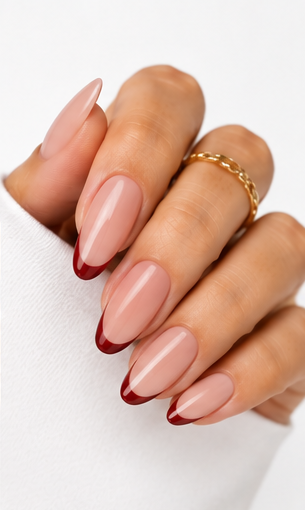
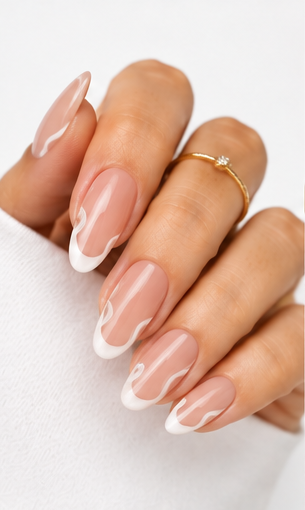
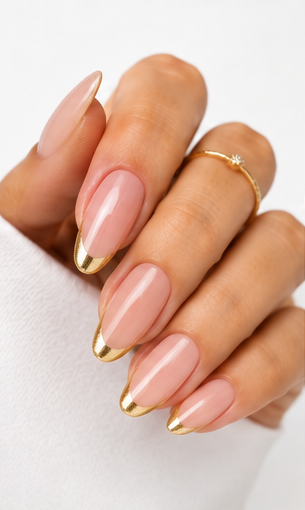
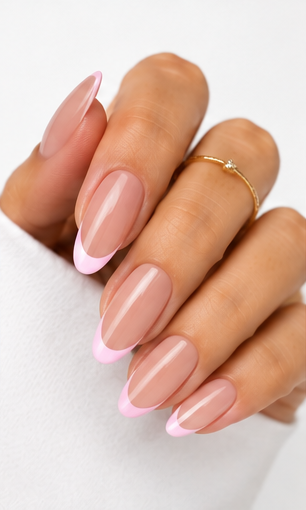
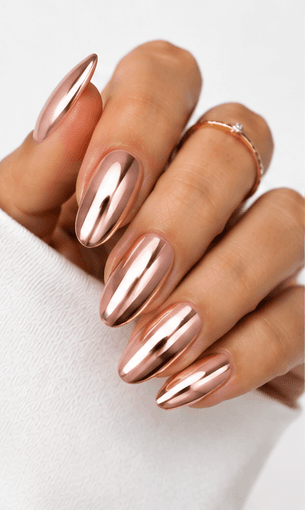
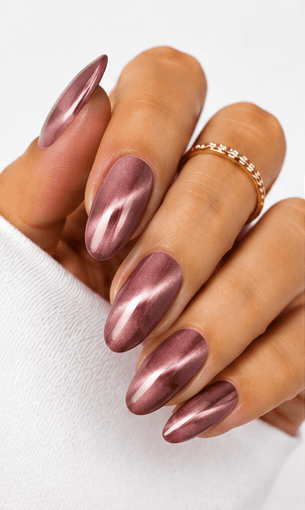
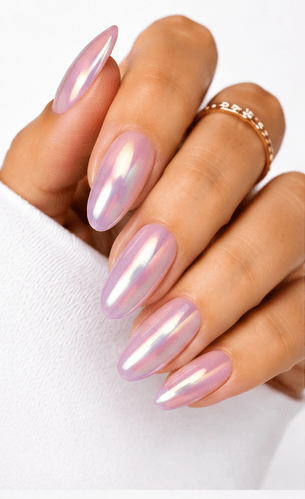
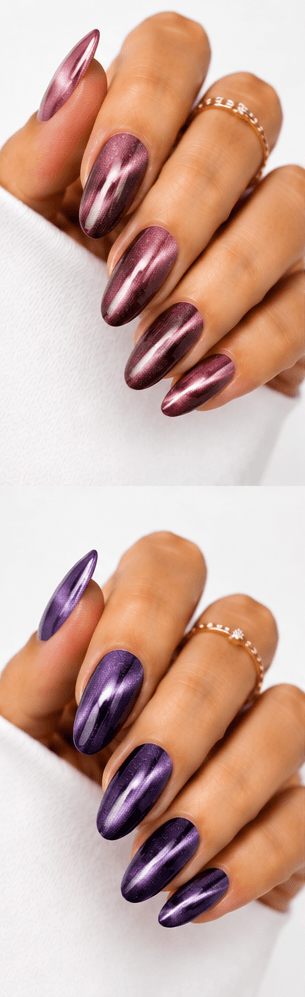
Characteristics
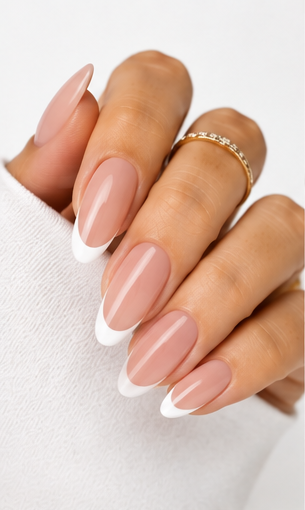
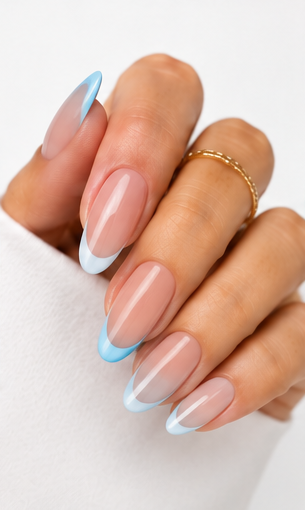
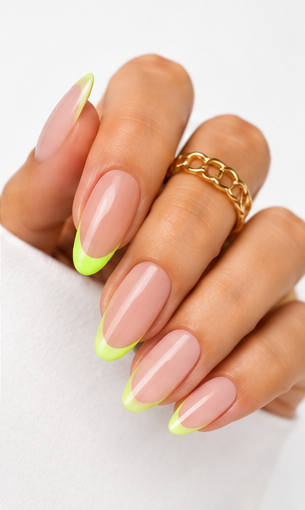
Clean white tips on a sheer pink or nude base, precise smile line, minimalist and sophisticated appearance, natural-looking finish.
The visual identity of “French Manicure” comes from more than its name. Check the finish, opacity, contrast, texture, spacing, and density of decorative elements, then compare the result in daylight and indoor light. These details help distinguish a balanced design from one that only looks attractive in a heavily edited close-up. As an application technique, the result changes with layer thickness, curing, opacity, surface preparation, and top-coat choice. The method should be matched to the natural nail, the desired finish, and the amount of maintenance the wearer can realistically keep.
Recommended Colors
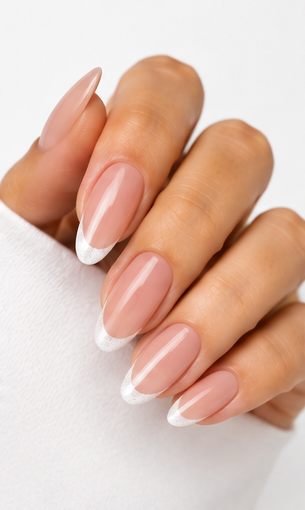
Soft pink, beige, nude tones for base; bright white for tips. Variations include sheer milky white or light neutral bases.
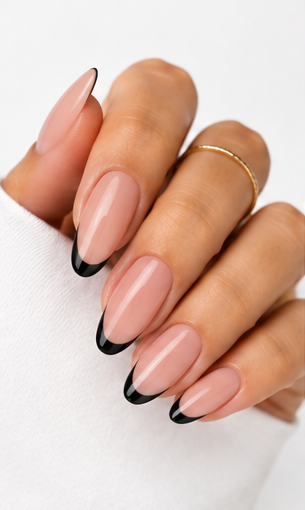
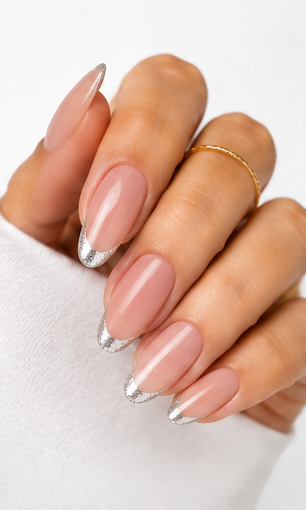
Use the recommended palette for “French Manicure” as a starting point rather than a fixed list. Compare warm and cool undertones, opacity, and finish; a sheer version can be understated while the same hue in cream, chrome, shimmer, or velvet becomes more prominent. Testing swatches against jewelry and clothing reduces surprises.
Recommended Seasons
Perfect for all seasons. Especially popular for spring and summer weddings, formal events, and everyday elegance.
Seasonal recommendations for “French Manicure” are flexible styling prompts, not strict rules. Keep the design wearable year-round by changing the finish or color depth: translucent layers feel fresh, earthy or berry tones feel grounded, and pearl or metallic accents add occasion without replacing the main idea. Weather and lifestyle should also influence the practical length.
Suitable For
Ideal for office workers, brides, students, and anyone seeking a polished, professional, and feminine look without being overly bold.
Before booking “French Manicure”, decide whether you want a low-key set, a recognizable statement, or a flexible base that can grow out gracefully. Show the technician the reference, explain your comfort limit, and agree on length and finish. This makes the result more personal and prevents the category label from becoming a one-size-fits-all recommendation.
Age Groups
Suitable for teenagers to mature women. Timeless appeal makes it popular across all ages.
Age labels for “French Manicure” are broad styling references, not restrictions. The same idea can be adjusted through color depth, ornament size, nail length, and finish: sheer neutrals can feel understated, while brighter contrast or playful details can feel more expressive. Personal taste, work environment, and comfort should guide the final choice.
Nail Shapes
Best suited for square, oval, round, and almond shapes. Works beautifully on both natural and longer nails.
Use shape to control how “French Manicure” is read: a short rounded outline keeps detail approachable, an oval or almond makes soft color look elongated, and a longer geometric outline increases drama. Check the side profile and free edge as well as the top view, because balance and durability matter after the appointment.
Advantages
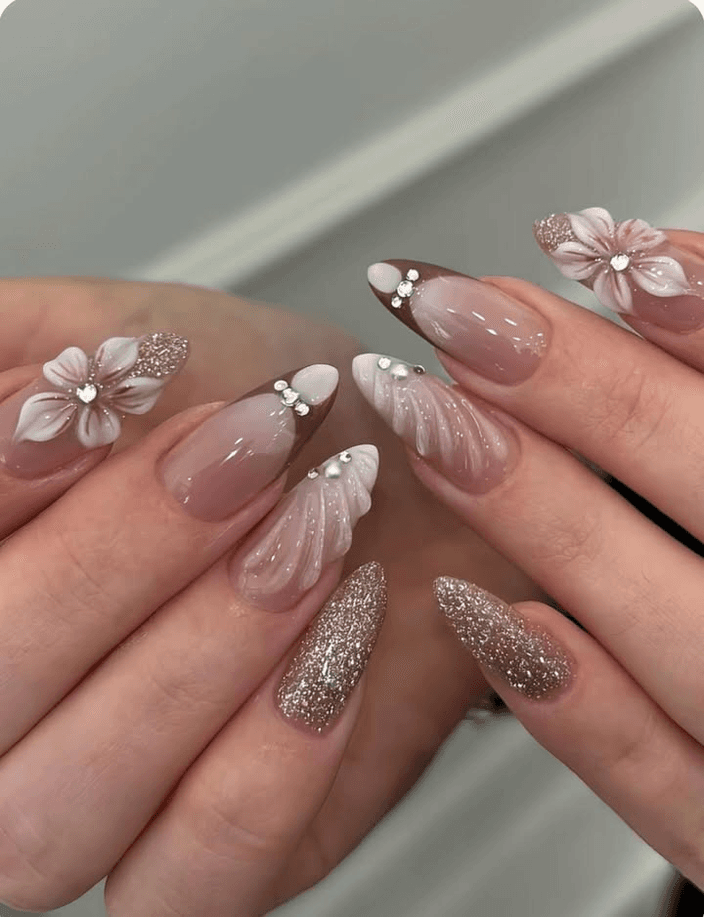
Extremely versatile and elegant, easy to maintain, suitable for both short and long nails, creates a lengthening effect on the nail plate, looks professional and clean. Can be easily dressed up with glitter or designs for special occasions while keeping the classic base.
In practical use, the main advantage of “French Manicure” is that it gives a clear design direction while still allowing adjustment. You can change the base, finish, length, or accent count without losing the identity of the idea. This makes it easier to communicate at a salon, compare references, and build a collection that is more than a single attractive image.
Disadvantages
White tips can show chips or dirt more easily, requires precise application for symmetry, may need frequent touch-ups for long-term wear.
The main limitation of “French Manicure” is that the reference image may hide maintenance, lighting, or application difficulty. Reflective finishes reveal uneven surfaces, fine art requires precision, and long or raised elements can be less convenient. These risks can be reduced by choosing a shorter version, limiting accents, sealing edges, and agreeing on realistic upkeep before the service.