Characteristics
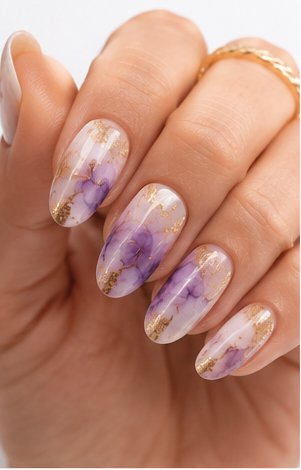
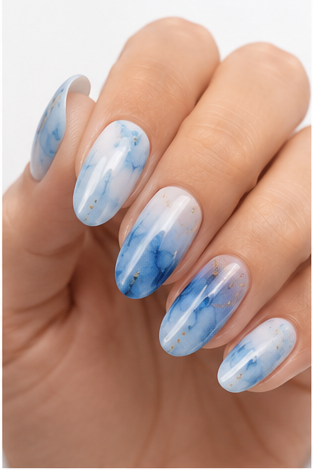
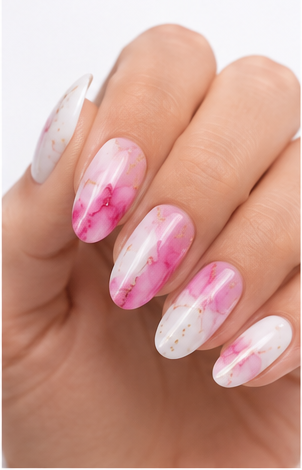
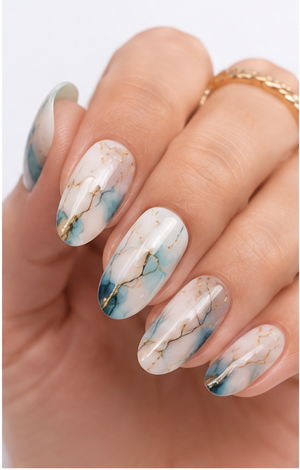
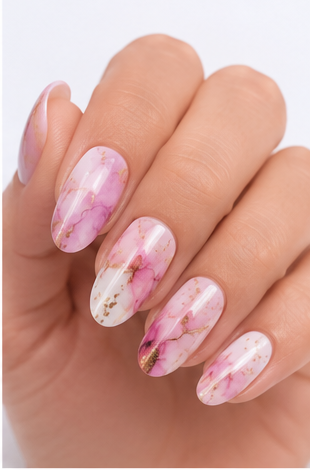
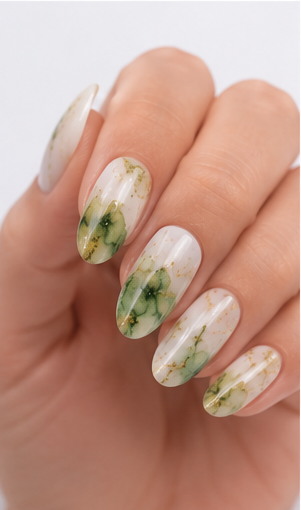
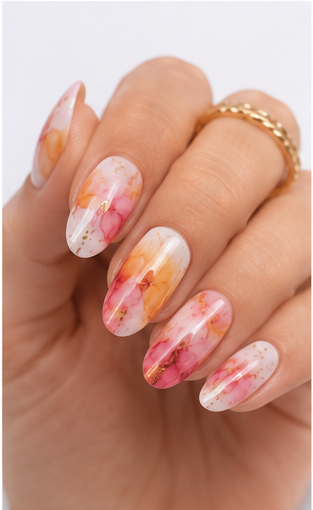
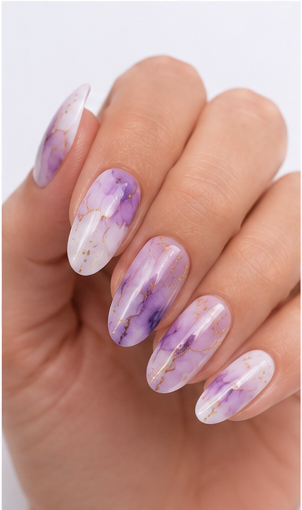
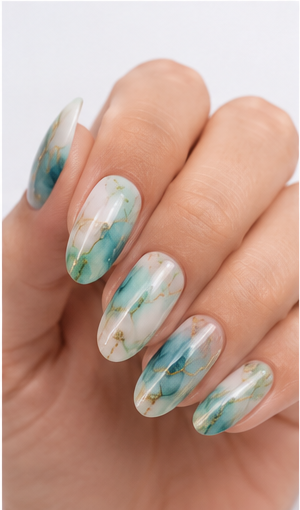
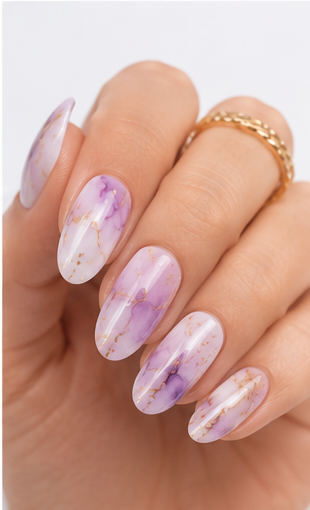
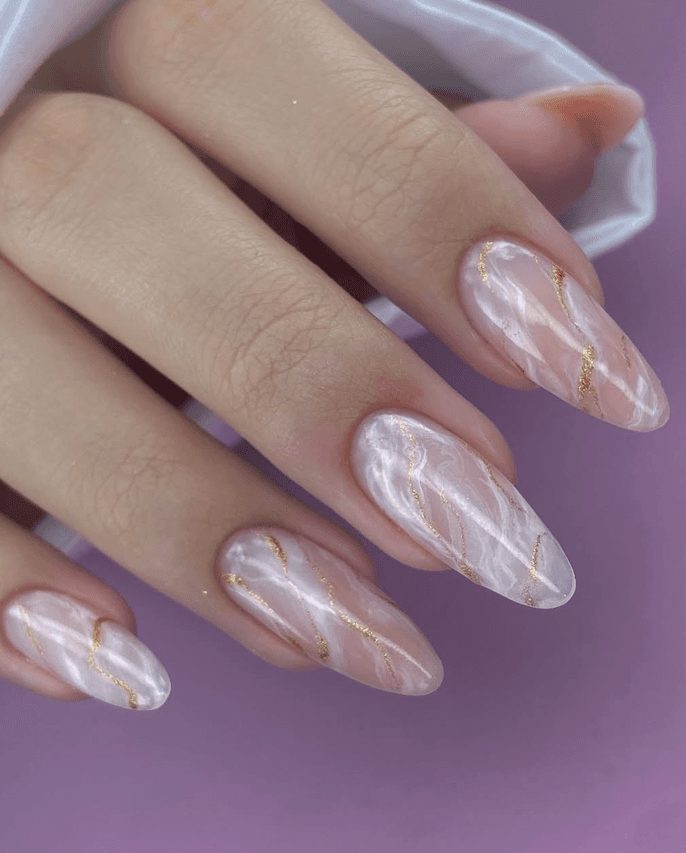
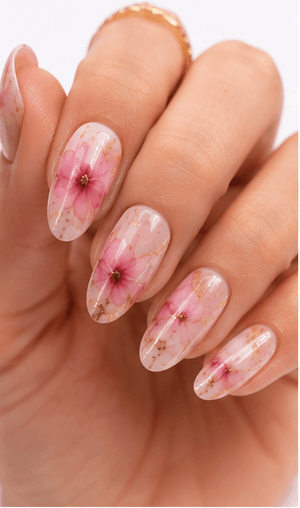
Key features include translucent color layers, soft blurred edges, gentle pigment flow, and an artistic hand-crafted finish. Designs may include flowers, abstract washes, pastel clouds, or dreamy gradients.
The visual identity of “Watercolor Nail Style” comes from more than its name. Check the finish, opacity, contrast, texture, spacing, and density of decorative elements, then compare the result in daylight and indoor light. These details help distinguish a balanced design from one that only looks attractive in a heavily edited close-up. As an application technique, the result changes with layer thickness, curing, opacity, surface preparation, and top-coat choice. The method should be matched to the natural nail, the desired finish, and the amount of maintenance the wearer can realistically keep.
Recommended Colors
Baby pink, lavender, sky blue, mint, peach, lilac, milky white, soft yellow, and sheer nude work beautifully.
Use the recommended palette for “Watercolor Nail Style” as a starting point rather than a fixed list. Compare warm and cool undertones, opacity, and finish; a sheer version can be understated while the same hue in cream, chrome, shimmer, or velvet becomes more prominent. Testing swatches against jewelry and clothing reduces surprises.
Recommended Seasons
Best for spring, early summer, bridal season, garden parties, and soft vacation looks. Muted watercolor tones also work well in autumn.
Seasonal recommendations for “Watercolor Nail Style” are flexible styling prompts, not strict rules. Keep the design wearable year-round by changing the finish or color depth: translucent layers feel fresh, earthy or berry tones feel grounded, and pearl or metallic accents add occasion without replacing the main idea. Weather and lifestyle should also influence the practical length.
Suitable For
Ideal for clients who enjoy delicate art, romantic details, and soft color stories. It suits bridesmaids, students, creative professionals, vacation styling, and anyone who wants a unique design without heavy decoration.
Before booking “Watercolor Nail Style”, decide whether you want a low-key set, a recognizable statement, or a flexible base that can grow out gracefully. Show the technician the reference, explain your comfort limit, and agree on length and finish. This makes the result more personal and prevents the category label from becoming a one-size-fits-all recommendation.
Age Groups
Popular with teens to women in their 30s, while muted floral watercolor versions suit mature clients beautifully.
Age labels for “Watercolor Nail Style” are broad styling references, not restrictions. The same idea can be adjusted through color depth, ornament size, nail length, and finish: sheer neutrals can feel understated, while brighter contrast or playful details can feel more expressive. Personal taste, work environment, and comfort should guide the final choice.
Nail Shapes
Oval, almond, rounded square, and short natural shapes enhance the soft, painterly feeling without making the design look crowded.
Use shape to control how “Watercolor Nail Style” is read: a short rounded outline keeps detail approachable, an oval or almond makes soft color look elongated, and a longer geometric outline increases drama. Check the side profile and free edge as well as the top view, because balance and durability matter after the appointment.
Advantages
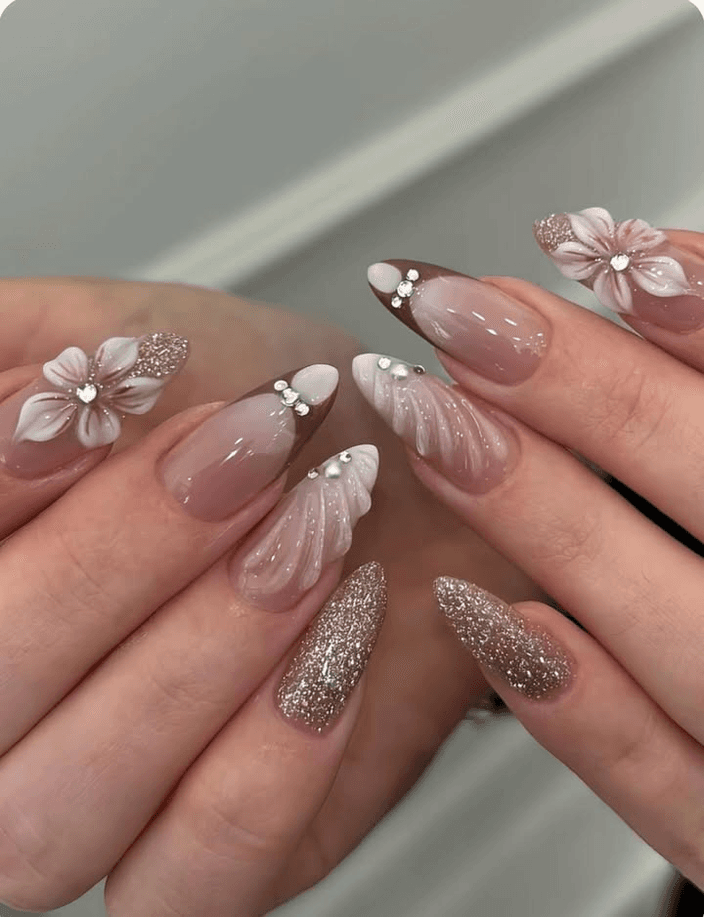
Watercolor nails feel artistic, light, and personal, making them strong for seasonal collections and image galleries. The soft blending flatters many skin tones and can make short nails look fresh. The design is also easy to customize with flowers, abstract shapes, gold accents, or sheer overlays.
In practical use, the main advantage of “Watercolor Nail Style” is that it gives a clear design direction while still allowing adjustment. You can change the base, finish, length, or accent count without losing the identity of the idea. This makes it easier to communicate at a salon, compare references, and build a collection that is more than a single attractive image.
Disadvantages
The soft effect can look too subtle for clients who prefer sharp graphics or high contrast. Good color control is important, because over-blending may make the design appear muddy rather than delicate.
The main limitation of “Watercolor Nail Style” is that the reference image may hide maintenance, lighting, or application difficulty. Reflective finishes reveal uneven surfaces, fine art requires precision, and long or raised elements can be less convenient. These risks can be reduced by choosing a shorter version, limiting accents, sealing edges, and agreeing on realistic upkeep before the service.