Characteristics
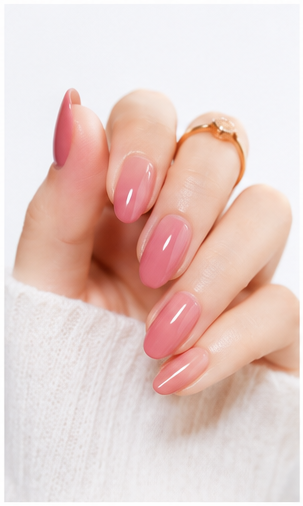
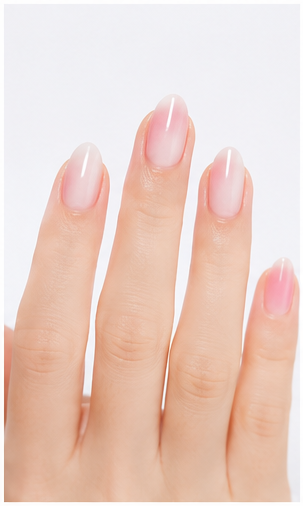
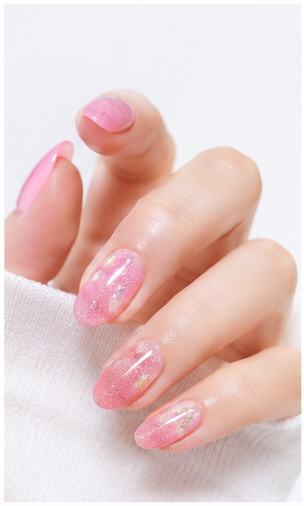
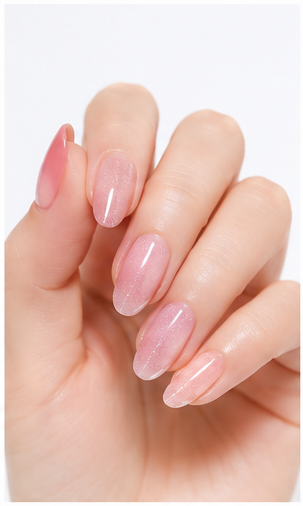
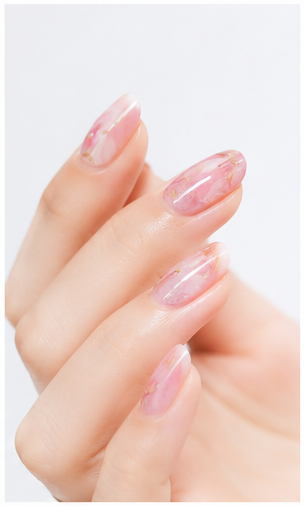
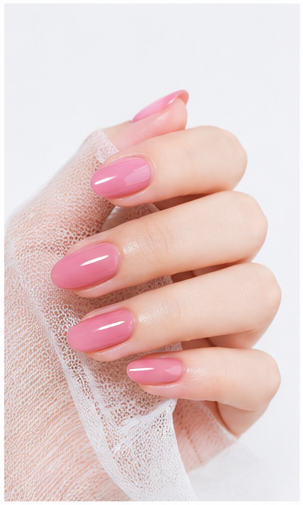
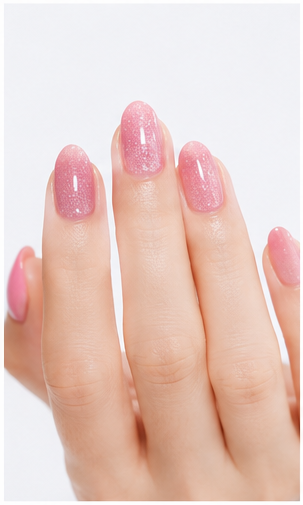
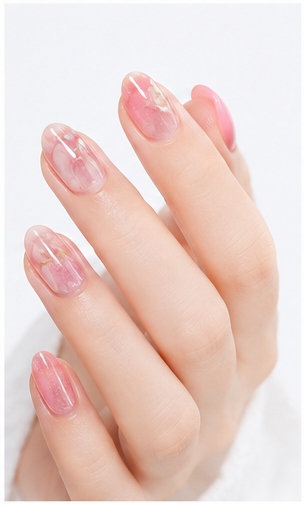
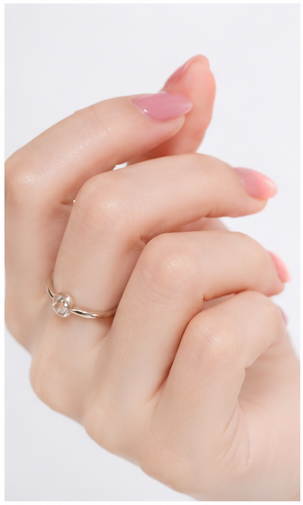
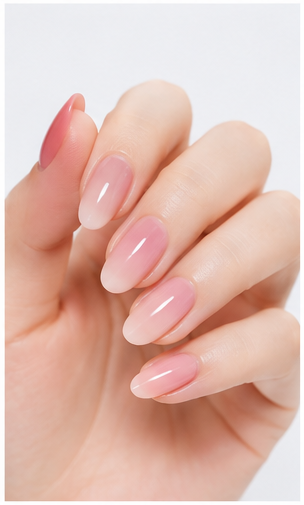
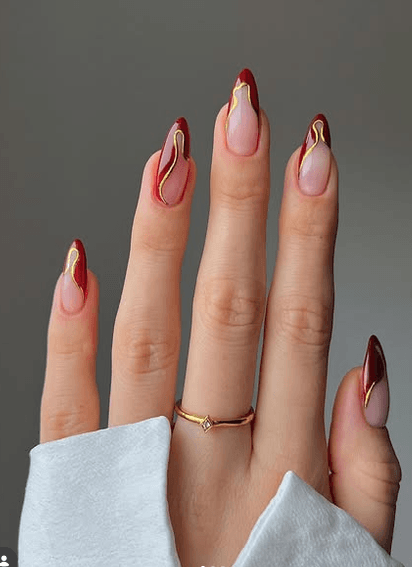
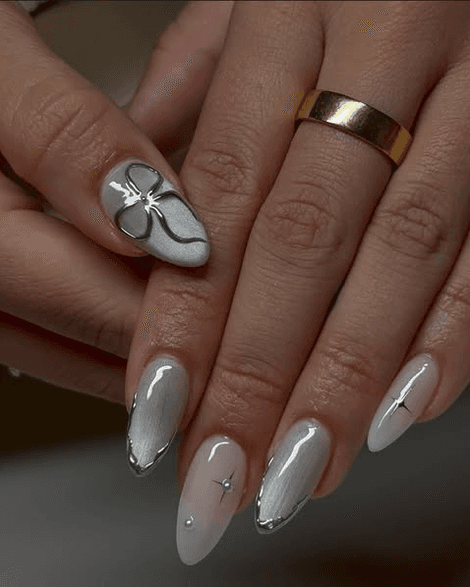
Pink nails are soft, romantic, and expressive. They can be sheer, creamy, glossy, glittery, or bold, with details like bows, hearts, flowers, and blush gradients adding charm.
Look at how “Pink Nails” behaves across different nail lengths and shapes: the same color or motif can become heavier on a short nail and more elongated on a long nail. A consistent cuticle line, even thickness, clean edges, and a controlled focal point are practical signs of a well-executed result. As a color category, the color name alone does not determine the result. Undertone, opacity, lighting, base color, and finish can move the same family from soft and natural to dramatic and reflective, so real swatches are useful.
Recommended Colors
Baby pink, blush pink, rose jelly, strawberry milk, dusty rose, mauve pink, coral pink, hot pink, pearl pink, and pink chrome.
For “Pink Nails”, a coherent palette usually needs one anchor shade, one supporting tone, and an optional accent. If the design already has texture or a strong motif, quieter supporting colors improve readability. If the base is neutral, controlled contrast can create focus without making every nail compete.
Recommended Seasons
Perfect for spring and summer, but dusty rose, mauve, and pearl pink also work beautifully for autumn, winter, weddings, and romantic holidays.
To adapt “Pink Nails” to an event, adjust saturation, shine, and decoration before changing the whole concept. A quiet version suits everyday wear, while a richer accent can work for holidays or evening photos. This makes the category useful beyond one calendar season.
Suitable For
Ideal for users who love feminine, cute, romantic, or clean beauty styles. It is also great for dates, bridal looks, soft fashion, and photo-friendly nail collections.
“Pink Nails” is easiest to choose when the intended use is clear: office, everyday errands, travel, a celebration, photography, or a special outfit. Consider typing, childcare, cooking, sports, and the time available for maintenance. A design that looks beautiful but interferes with routine is usually less useful than a slightly simplified version.
Age Groups
Suitable for teens, students, young adults, brides, and mature users when adjusted from playful pastel to muted rose or elegant pearl pink.
When adapting “Pink Nails” for different generations, keep the concept and change the intensity. Reduce decoration for a mature or professional look, use softer proportions for a youthful everyday set, or keep one statement nail when you want a compromise. Good design serves the wearer rather than forcing an age stereotype.
Nail Shapes
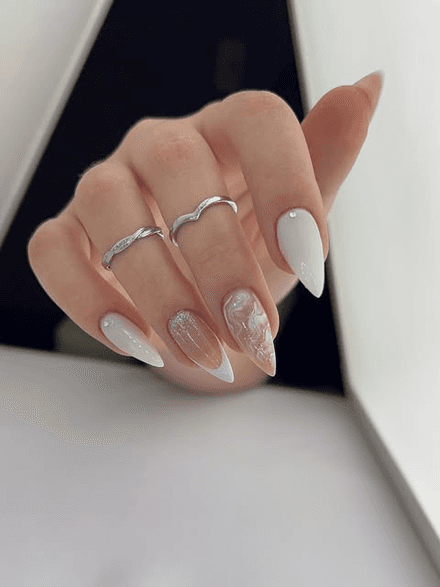
Looks lovely on almond, oval, round, squoval, coffin, and ballerina nails. Short pink nails feel cute, while long shapes look more glamorous.
The best shape for “Pink Nails” depends on the natural nail bed, sidewalls, fingertip proportions, strength, and daily hand use. Round and squoval shapes are practical, oval and almond create a longer visual line, while square, coffin, ballerina, and stiletto provide stronger geometry or more canvas. A technician should adapt the reference to the natural nail instead of copying a silhouette that feels uncomfortable.
Advantages
They can be soft enough for daily wear or bright enough for statement looks. Pink also photographs well, pairs easily with popular decorations, and suits many aesthetics, from clean girl and balletcore to coquette, bridal, and romantic styles.
For a lasting result, “Pink Nails” is most valuable when its visual benefit matches the wearer's routine. A well-proportioned version can photograph clearly, coordinate with clothing, and remain attractive as it grows out. The strongest result comes from prioritizing clean preparation and suitable materials rather than adding decoration simply to make the design look fuller.
Disadvantages
Very pale pink can look streaky if applied unevenly, while neon or hot pink may feel too bold for conservative workplaces. Some cool pink shades may also make warm skin tones look dull.
Consider the trade-off before selecting “Pink Nails”: more pigment, shine, texture, or length can increase visual impact but may also make chips, regrowth, and small errors easier to notice. Ask which steps are essential to the look and which can be simplified; thoughtful reduction often preserves the character while improving comfort and durability.